That patient isn't unusual. Haemorrhoids are one of the most common conditions I see in clinic, yet one of the least talked about — simply because of where they occur. There's no reliable figure for exactly how common haemorrhoids are in Malaysia, largely because embarrassment keeps many people from ever seeking treatment. But the condition itself is genuinely common, and it can meaningfully affect daily comfort and quality of life.
What exactly are haemorrhoids?
Haemorrhoids are swollen veins around the anus or lower rectum — essentially the same kind of swelling you'd see with varicose veins elsewhere in the body, just in a far more sensitive location. They can develop internally (inside the rectum) or externally (around the anus), and either type can cause symptoms ranging from mild irritation to significant pain.
What puts you at risk?
Chronic constipation and straining
Difficulty passing stool often leads to straining, which increases pressure on the veins around the anus and rectum. A low-fibre diet is closely tied to this — fibre adds bulk to stool, making it easier to pass without extra effort.
Spending too long on the toilet
Scrolling on your phone while seated lengthens the time spent on the toilet — and sitting itself puts the rectum in a lower position than the rest of the body, increasing pressure on the area. Gravity doesn't help either, allowing blood to pool and veins to swell.
Ageing
As we age, the supporting tissues around the rectum and anus naturally weaken, meaning less pressure is needed to trigger haemorrhoids. Constipation is also more common with age — partly due to medications like iron supplements or painkillers, and partly due to underlying conditions such as low thyroid function.
Heavy lifting
Lifting heavy objects — whether at work or in the gym — causes a spike in intra-abdominal pressure that transmits directly to the rectum and anus, producing the same effect as straining. Labour workers and weightlifters are particularly at risk.
How do you know if you have haemorrhoids?
Rectal bleeding
The most common giveaway — usually blood on tissue paper after a bowel movement, typically painless, caused by minor tearing from straining.
A lump near the anus
Haemorrhoids can enlarge enough to protrude, sometimes noticeable when cleaning up. May come with a constant sensation of needing to pass stool.
Itching
More common with internal haemorrhoids that prolapse downward, dragging mucus onto sensitive skin and causing irritation.
Pain
Blood clots can form within affected veins, irritating nearby nerves and causing pain when sitting, walking, or during bowel movements.
How are haemorrhoids treated?
The encouraging news: haemorrhoids are extremely common, and there's a wide range of effective treatments — from simple lifestyle changes to minor procedures. The right approach depends on severity, and it's worth discussing the benefits and trade-offs of each option with your doctor.
Lifestyle changes
Toilet habit retraining — reducing straining and limiting time spent sitting on the toilet — is often the first and most effective step.
Topical analgesics
Creams or gels containing local anaesthetics can ease pain and itching; paracetamol helps with discomfort from clotted haemorrhoids.
Corticosteroids
Reduce inflammation and the associated pain around the anus.
Bioflavonoid supplements
Often paired with vitamin C, these have shown some benefit in reducing haemorrhoidal swelling and improving symptoms.
Rubber band ligation
A small band is placed around the prolapsed tissue, cutting off its blood supply so it fixes back to the rectal wall. One of the most effective procedural options, though mild discomfort afterward is common.
Surgical haemorrhoidectomy
For larger or more severe haemorrhoids that don't respond to other measures, surgical removal offers the most definitive, long-term solution.
If you recognise these symptoms in yourself: please don't let embarrassment keep you from seeking help, the way many patients do. Haemorrhoids are common, treatable, and nothing a doctor hasn't seen many times before. The earlier you address it, the simpler the treatment tends to be.
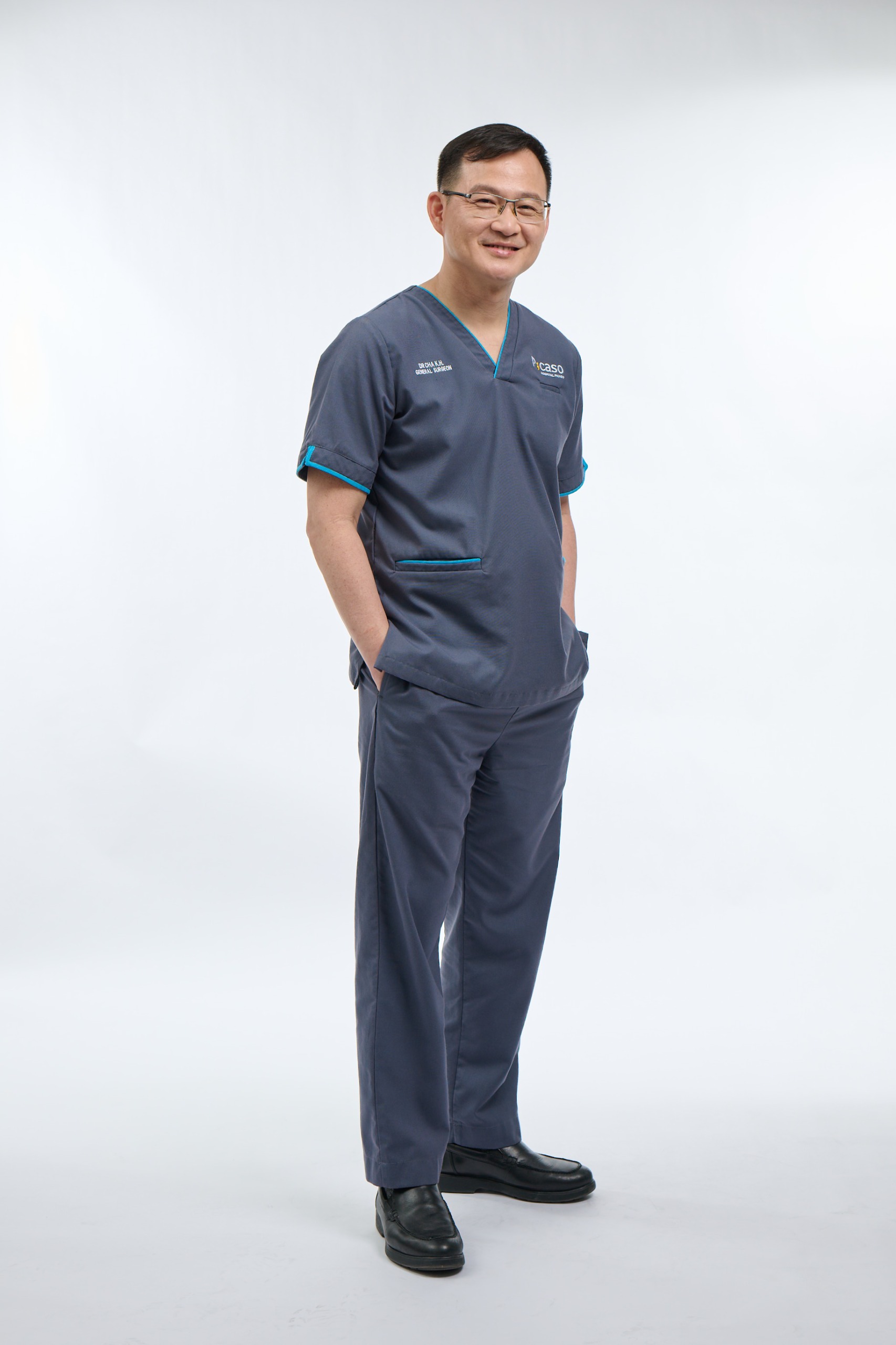
Dr Cha Kar Huei
Consultant General Surgeon (Gastrointestinal, Bariatric & Robotic Surgery), Hospital Picaso