Malaysia's food culture is something to celebrate — but rich, multicultural cuisine eaten daily over decades does take a toll on the digestive system. Colorectal cancer ranks among the most common cancers in Malaysia for both men and women, yet it's also one of the most detectable — if you know when to get checked.
What is a colonoscopy?
A colonoscopy is a procedure used to directly examine the inside of the colon and rectum. It doesn't automatically mean cancer is suspected — colonoscopy is also used to investigate inflammation, unexplained bleeding, or general digestive discomfort. The procedure typically takes 30 to 60 minutes.
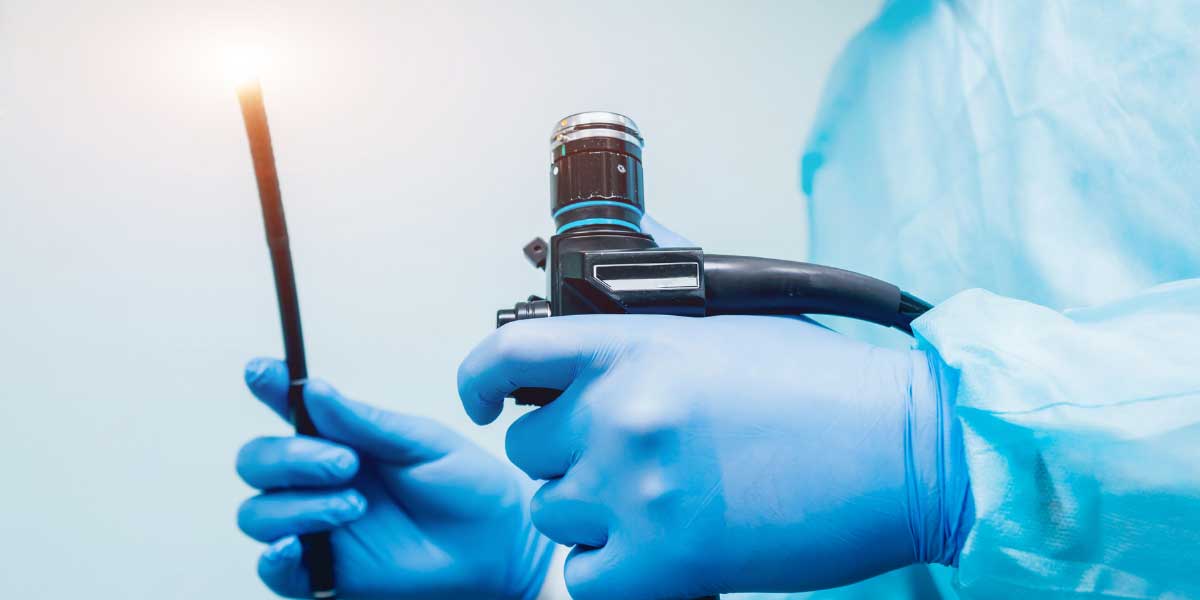
The instrument itself
Camera & Light
A long, flexible tube with a tiny camera and light at the tip, giving a real-time view of the colon's interior on a monitor.
Water & Air Jets
Used to rinse away residual stool and gently inflate the colon, making it easier to navigate and examine the lining clearly.
Instrument Channel
A small working channel that allows tiny forceps or snares to be passed through — used to collect tissue samples or remove polyps on the spot.
What happens to polyps that are found?
If no polyps are found, that's reassuring news and nothing further is needed. If polyps are found, they're typically removed during the same procedure and sent to the lab for analysis, since some polyps can develop into cancer over time.
It's worth knowing that finding a polyp is common and usually not alarming on its own — many people develop polyps as they age, and most are entirely benign. Risk depends more on the number, size, and type of polyp, along with personal and family cancer history. Polyps typically cause no symptoms at all, which is exactly why screening matters — they're usually found and removed before they'd ever cause a problem.
Preparing for a colonoscopy
Before the procedure, you'll be asked to follow a clear liquid diet and take a prescribed laxative solution to thoroughly clear the bowel. This can be done at home the day before, or you may be admitted to hospital slightly earlier if preferred.
Expect frequent trips to the bathroom during this bowel preparation — it's an essential (if inconvenient) part of the process. A well-prepared, empty colon allows your doctor to see the lining clearly; an inadequately prepared one can make the procedure harder and less accurate.
What happens during the procedure
Sedation
You'll change into a gown and receive sedation through an intravenous line, so you're comfortable and unaware during the procedure.
Positioning
You'll be asked to lie on your left side with your knees drawn up toward your chest — the position that allows easiest access for the procedure.
The examination
The colonoscope is gently guided through the colon while images display in real time. The doctor may inflate the colon slightly with air for a clearer view, and remove any polyps found along the way.
Is it painful?
No — sedation means you're asleep throughout, so there's no awareness of discomfort during the procedure itself. A sedation-free colonoscopy is no longer considered good practice: without sedation, patients tend to move or fidget when uncomfortable, which meaningfully increases the risk of bowel perforation. Sedated colonoscopy remains the safer, standard approach.
What happens afterward
Because you've been sedated, you won't be able to drive yourself home — please arrange for someone to accompany you. The effects of sedation can linger for up to a day, so it's best to avoid driving or important decisions until the following day.
Mild bloating, cramping, or passing gas afterward is normal and resolves quickly. If polyps were removed, you'll typically receive guidance on any activity restrictions for a short period afterward.
Who should get a colonoscopy?
Colonoscopy isn't a routine test for everyone, the way a blood test might be. It's generally recommended based on two main factors: age and symptoms.
By Age
- Generally recommended from age 50 onward
- Not required annually — frequency depends on individual risk and findings
- Younger individuals are at lower risk, but symptoms at any age warrant investigation
By Symptoms
- Unexplained abdominal pain
- Chronic constipation or persistent diarrhoea
- Rectal bleeding
- Noticeable change in stool colour
- Unexplained weight loss
Family history also matters — let your doctor know if a close relative has had colorectal cancer or polyps, as this may change the recommended screening schedule. If you've previously had a polyp removed, a follow-up colonoscopy is typically advised. Rectal bleeding combined with unexplained weight loss, in particular, raises the likelihood of an underlying colorectal issue — though no single symptom on its own confirms a diagnosis; it's usually a combination of findings that guides the decision to investigate further.
The bottom line: Colonoscopy is one of the few medical procedures that is both diagnostic and preventive at the same time — polyps found can be removed before they ever become a problem. If you're 50 or older, or experiencing any of the symptoms above, it's worth having the conversation with your doctor.

Dr Cha Kar Huei
Consultant General Surgeon (Gastrointestinal, Bariatric & Robotic Surgery), Hospital Picaso