Diagnostic & Therapeutic
See inside. Know for certain. Act immediately. Dr Cha performs a full range of diagnostic and therapeutic endoscopic procedures — all under comfortable conscious sedation, as a day procedure.
What Is Endoscopy?
Endoscopy is a procedure that uses a thin, flexible tube with a camera and light at its tip to directly visualise the inside of the digestive tract. Unlike imaging scans, endoscopy provides real-time, high-definition views of the lining of the oesophagus, stomach, small intestine, and colon.
Beyond diagnosis, endoscopy also allows Dr Cha to treat many conditions during the same procedure — removing polyps, controlling bleeding, placing stents, or dilating strictures — without any surgery at all.
All endoscopic procedures at Dr Cha's practice are performed as day procedures, meaning you go home the same day.
Comfortable conscious sedation. You will be given intravenous sedation before the procedure, keeping you relaxed and comfortable throughout. Most patients have little or no memory of the procedure and feel no discomfort.
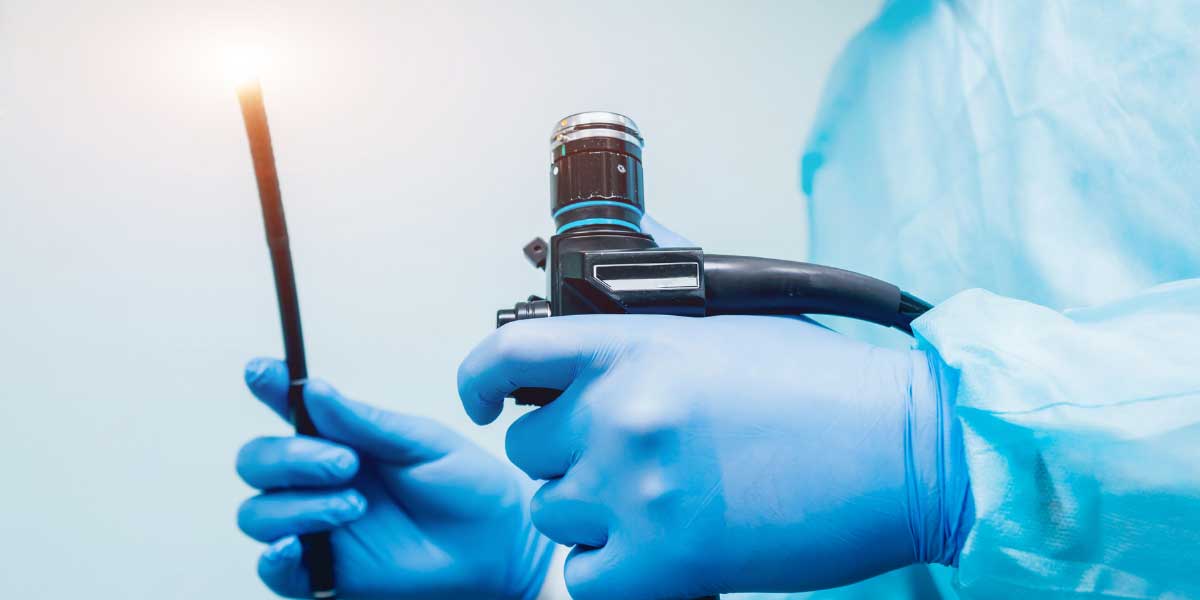
Diagnostic Endoscopy
Each procedure is tailored to examine a specific part of the GI tract, giving Dr Cha a direct view of what is happening inside your body.

Oesophago-Gastro-Duodenoscopy (OGD) — commonly known as a gastroscopy — is an examination of the upper digestive tract, including the oesophagus, stomach, and the first part of the small intestine (duodenum). A thin flexible camera is passed through the mouth under sedation.
It is the definitive test for investigating upper GI symptoms and can also be used to take biopsies or treat conditions found during the examination.
Common Indications
A colonoscopy examines the entire large intestine (colon) and rectum using a long flexible camera passed through the anus. It is the gold standard investigation for colorectal cancer screening and the evaluation of lower bowel symptoms.
Dr Cha can detect and remove polyps, take biopsies, and treat bleeding lesions all in the same session — making colonoscopy both a diagnostic and therapeutic procedure.
Common Indications


A flexible sigmoidoscopy examines only the lower part of the colon — the sigmoid colon and rectum. It is a shorter, faster procedure than a full colonoscopy and is used when symptoms or concerns are localised to the lower bowel, or as an initial investigation before a full colonoscopy.
It requires less bowel preparation and can often be performed with minimal or no sedation, making it a convenient option for many patients.
Common Indications
A non-surgical weight loss procedure performed entirely through an endoscope
ESG is a breakthrough weight loss procedure that harnesses the power of endoscopy to reshape the stomach — without any incisions, cuts, or scars. Using a specialised endoscopic suturing device, Dr Cha places a series of sutures along the inside of the stomach to reduce its volume by up to 70%, mimicking the effect of a surgical sleeve gastrectomy.
Because the entire procedure is done through the mouth via an endoscope, there is no wound, no scar, and patients go home the same day with a dramatically reduced recovery time compared to surgery.
ESG is ideal for patients who want meaningful weight loss but are not ready or suitable for bariatric surgery, or those who want a less invasive first step in their weight loss journey.
Entirely through the mouth — no cuts, no scars, no wounds on the abdomen.
Go home the same day. Most patients return to light activity within 2–3 days.
Clinically proven to achieve significant total body weight loss over 12–18 months.
Unlike surgical options, ESG can be revised or reversed if needed in the future.
Treatment During Endoscopy
Many conditions can be treated endoscopically during the same procedure — avoiding the need for separate surgery and speeding up recovery.
Polyps found during gastroscopy or colonoscopy can be removed on the spot using specialised snares or forceps. Early removal of polyps is the most effective way to prevent colorectal cancer from developing.
Bleeding from the stomach, duodenum, or colon can be controlled endoscopically using clips, thermal energy, or injection therapy — often avoiding the need for emergency surgery.
Narrowings (strictures) of the oesophagus, stomach outlet, or colon can cause difficulty swallowing or bowel obstruction. Endoscopic dilation using balloons or dilators restores normal passage without surgery.
Self-expanding metal stents can be placed endoscopically to relieve obstructions in the oesophagus, stomach, or colon caused by tumours or strictures — providing rapid relief of symptoms.
Your Experience
Endoscopy is a straightforward, well-tolerated procedure for the vast majority of patients. Here is what a typical visit looks like — from arrival to going home.
Arrive at the endoscopy suite. Nursing staff will check your details, review your medical history, and explain the procedure and consent.
A small intravenous line is placed in your arm. Sedation is given to make you comfortable and drowsy — you will be relaxed throughout.
Dr Cha performs the endoscopy, taking 15–60 minutes depending on the procedure. You will feel little to nothing during this time.
You rest in the recovery area for 30–60 minutes while the sedation wears off. Nursing staff monitor you throughout.
Dr Cha discusses findings with you and provides a report. You are discharged home — a companion must drive you due to the sedation.
Common Questions
Don't leave GI symptoms uninvestigated. Book an endoscopy consultation with Dr Cha today.
Book an Appointment