Bariatric Surgery Colorectal Surgery Hernia Surgery Endoscopy Gastric Cancer Surgery Other Abdominal Diseases BMI Calculator Blog Follow Dr Cha Book an Appointment

Stomach Cancer · Surgical Oncology

Gastric Cancer
Surgery

Gastric cancer is treatable — especially when caught early. Dr Cha performs the full spectrum of gastric cancer surgery, from minimally invasive laparoscopic and robotic resections to complex D2 lymph node dissection, as part of a comprehensive cancer care plan.

4
Cancer Types
Managed
6
Surgical
Procedures
⚠️

Early detection saves lives. Gastric cancer is often asymptomatic in its early stages. If you experience persistent indigestion, unexplained weight loss, difficulty swallowing, or blood in vomit or stools, seek medical evaluation promptly — do not wait.

Surgery remains the
cornerstone of cure

Gastric cancer (stomach cancer) develops when malignant cells form in the lining of the stomach. It is one of the more common cancers in Asia, and Malaysia is no exception. The stomach plays a central role in digestion, which means gastric cancer surgery requires both oncological precision and careful surgical planning to preserve quality of life.

For patients with resectable gastric cancer, surgery offers the best chance of cure. The goal is complete removal of the tumour with clear margins, combined with an adequate lymph node dissection to ensure all potential sites of spread are addressed.

Dr Cha performs gastric cancer surgery using laparoscopic and robotic techniques wherever oncologically appropriate — giving patients the benefits of minimally invasive surgery without compromising the quality of the cancer operation.

Warning Signs to Watch For
  • Persistent indigestion, bloating, or upper abdominal discomfort
  • Unexplained weight loss or loss of appetite
  • Difficulty swallowing or feeling of fullness after small meals
  • Nausea, vomiting, or vomiting blood
  • Black or tarry stools (indicating bleeding)
  • Persistent fatigue or anaemia
Gastric Cancer Surgery

Gastric Cancer Types

Dr Cha manages the full spectrum of gastric malignancies — from early-stage cancers amenable to minimally invasive resection, to more complex tumours requiring a multidisciplinary approach.

Early Gastric Cancer
Best Outcomes

Early Gastric Cancer (EGC)

Cancer confined to the mucosa or submucosa of the stomach, regardless of lymph node status. Early gastric cancer carries an excellent prognosis, with 5-year survival rates exceeding 90% after curative resection. When detected at this stage, minimally invasive laparoscopic or robotic surgery can achieve complete cure with a fast recovery.

Locally Advanced Gastric Cancer
Most Common Presentation

Locally Advanced Gastric Cancer

Cancer that has grown beyond the submucosa into deeper layers of the stomach wall, or has spread to nearby lymph nodes. Neoadjuvant chemotherapy before surgery is often recommended to shrink the tumour and improve resectability. Surgery involves a formal gastrectomy with D2 lymph node dissection for the best oncological outcome.

Gastric Stromal Tumour
Stromal Tumour

Gastric Stromal Tumour (GIST)

GISTs are a distinct type of tumour arising from the connective tissue of the stomach wall rather than the lining. They are not adenocarcinomas, and their behaviour and treatment differ significantly. Most are managed surgically with laparoscopic wedge resection. Targeted therapy with imatinib is used for high-risk or metastatic cases.

Gastric Lymphoma
Lymphoid Tumour

Gastric Lymphoma

Primary gastric lymphoma, most commonly MALT lymphoma or diffuse large B-cell lymphoma (DLBCL), arises from lymphoid tissue in the stomach wall. Most cases are managed primarily with chemotherapy and/or radiation, with surgery reserved for complications such as perforation, bleeding, or obstruction that do not respond to medical treatment.

🤖 Minimally Invasive Oncology

Laparoscopic & Robotic
Gastrectomy

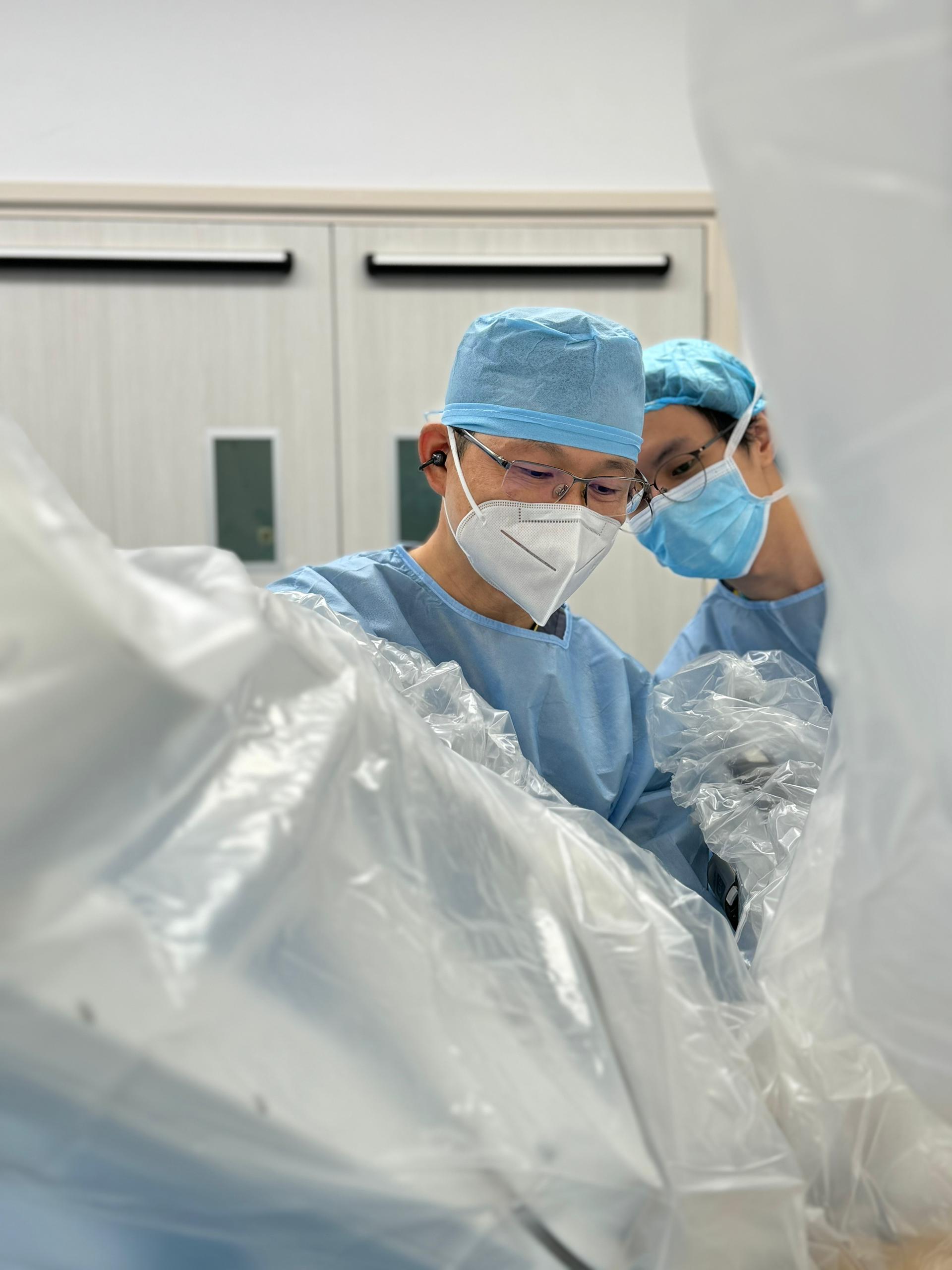
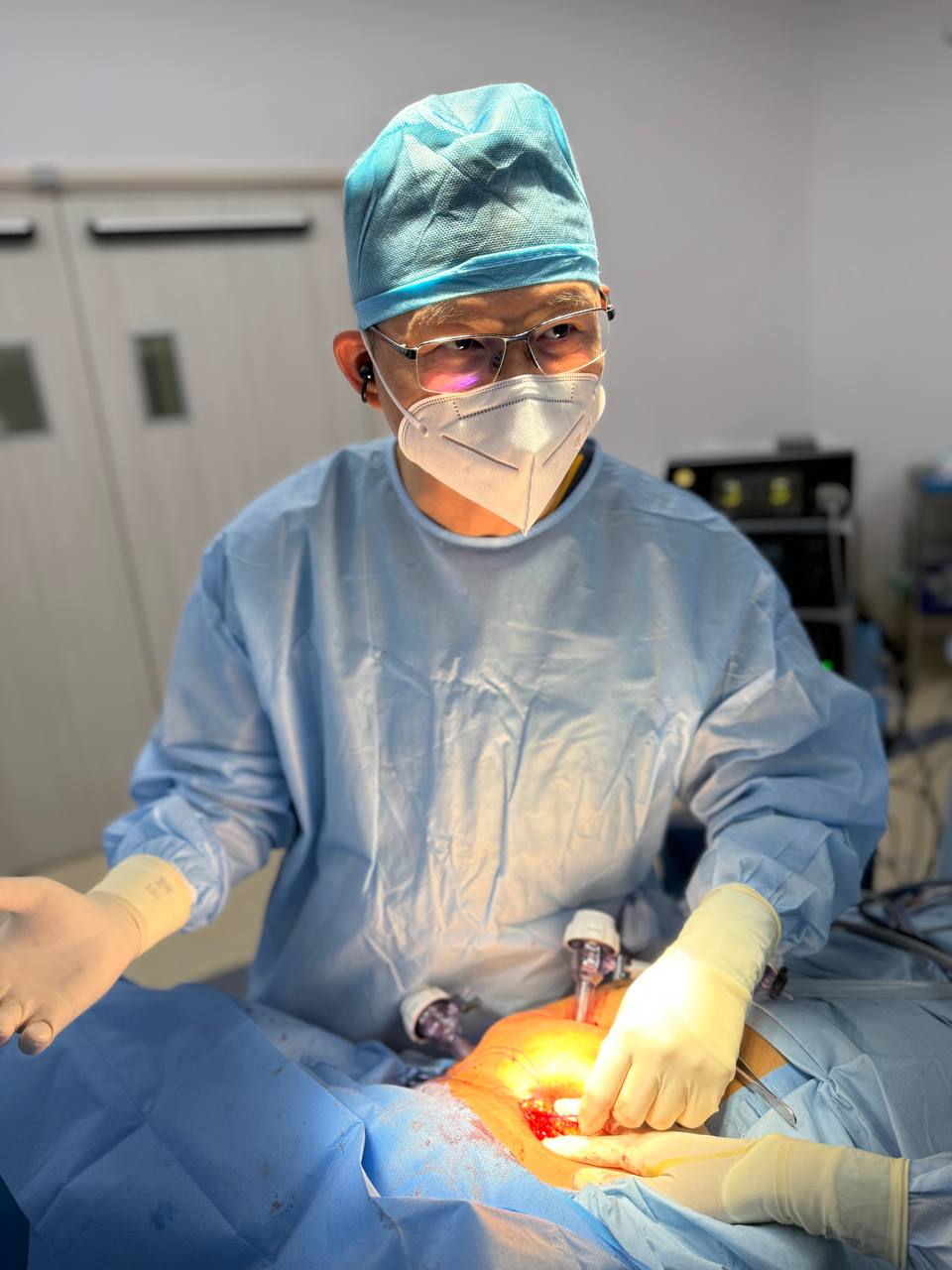
Gastric cancer surgery has traditionally required a large open incision — a challenging operation with significant post-operative pain and a prolonged recovery. Advances in laparoscopic and robotic techniques now allow Dr Cha to perform the same cancer operation through small keyhole incisions, without compromising oncological outcomes.

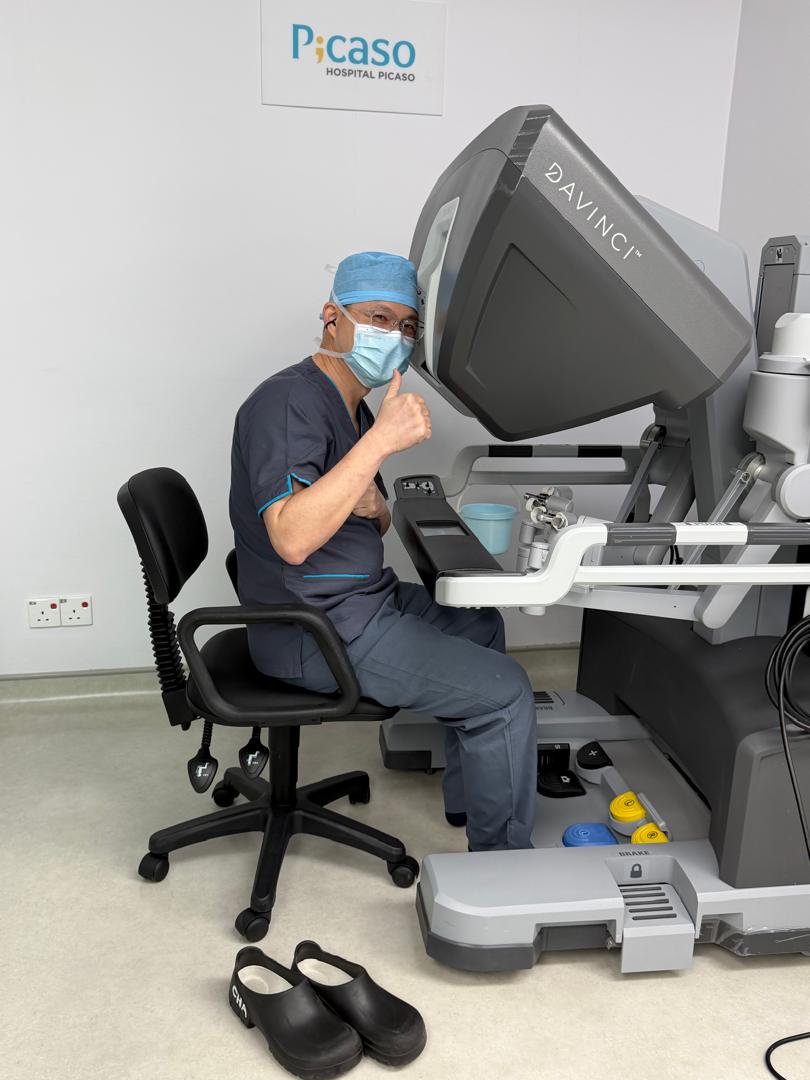
Robotic surgery is particularly advantageous for gastric cancer resection. The stomach sits deep in the upper abdomen, surrounded by critical structures. The robotic platform provides enhanced 3D visualisation, tremor-free precision, and articulating instruments that can reach angles impossible with conventional laparoscopy — enabling a meticulous D2 dissection with less blood loss and faster recovery.

🔬
Superior Visualisation

Magnified 3D HD view of the stomach and surrounding structures, enabling precise dissection.

🎯
Oncological Precision

Same quality D2 dissection as open surgery — without the large incision.

💊
Less Pain & Blood Loss

Smaller wounds mean lower analgesic requirements and reduced transfusion rates.

Faster to Chemotherapy

Quicker recovery means patients can start adjuvant chemotherapy sooner after surgery.

Robotic Gastrectomy
[ Laparoscopic vs Open Comparison ]

Gastric Cancer Operations

The choice of procedure depends on the tumour location, stage, and the patient's overall condition. Dr Cha will discuss the most appropriate approach during your consultation.

Total Gastrectomy
Complete Removal

Total Gastrectomy

The entire stomach is removed, and the oesophagus is connected directly to the small intestine (oesophago-jejunostomy). Indicated for tumours in the upper or middle stomach, or diffuse-type gastric cancer involving the whole stomach. Performed laparoscopically or robotically wherever feasible.

  • Entire stomach removed
  • Oesophago-jejunostomy reconstruction
  • D2 lymph node dissection
  • Laparoscopic / robotic
Partial Removal

Subtotal (Partial) Gastrectomy

The lower portion of the stomach is removed, preserving the upper part near the oesophagus. This is the preferred operation for cancers of the distal (lower) stomach, as it achieves the same oncological outcome as total gastrectomy while preserving some gastric function and improving nutritional outcomes after surgery.

  • Lower stomach removed
  • Better nutritional outcomes
  • Billroth II or Roux-en-Y reconstruction
  • Laparoscopic / robotic
Subtotal Gastrectomy
Palliative Surgery
Palliative Care

Palliative / Bypass Surgery

For patients with advanced or metastatic gastric cancer where curative resection is not possible, palliative surgery aims to relieve symptoms and improve quality of life. Gastrojejunostomy (bypass) can relieve gastric outlet obstruction, while other procedures address bleeding or perforation. These decisions are always made in the context of the patient's overall treatment goals.

  • Gastric outlet obstruction relief
  • Bleeding control
  • Symptom-focused care
  • Multidisciplinary decision

D2 Lymph Node
Dissection

The extent of lymph node removal during gastric cancer surgery is one of the most important determinants of long-term survival. D2 lymph node dissection — the removal of lymph nodes in two tiers around the stomach — is the internationally recognised standard of care for resectable gastric cancer.

Dr Cha performs D2 dissection as standard in all curative-intent gastric cancer operations, ensuring the best oncological outcome for his patients. This is a technically demanding procedure that requires specialist training and experience in gastric cancer surgery.

With robotic assistance, Dr Cha can perform a complete D2 dissection through keyhole incisions with the same thoroughness as open surgery — a combination that very few centres in Malaysia offer.

D1
D1 Dissection

Removal of perigastric lymph nodes immediately surrounding the stomach. Minimum acceptable standard for curative resection.

D2
D2 Dissection

Additional removal of lymph nodes along the main arterial branches supplying the stomach — the celiac axis, hepatic artery, splenic artery, and left gastric artery. International gold standard for gastric cancer surgery.

Dr Cha's Standard

D2 dissection is performed routinely by Dr Cha in all curative-intent gastric cancer operations — laparoscopically or robotically wherever feasible.

Multimodal Cancer Care

Surgery alone is rarely the whole story in gastric cancer. For most patients, the best outcomes come from combining surgery with other cancer treatments — coordinated through a multidisciplinary team.

💉

Neoadjuvant Chemotherapy

Chemotherapy given before surgery to shrink the tumour, improve resectability, and treat any microscopic spread. Increasingly used for locally advanced gastric cancer as part of a perioperative regimen (e.g. FLOT protocol).

🔬

Adjuvant Chemotherapy

Chemotherapy given after surgery to eliminate any remaining cancer cells and reduce the risk of recurrence. The specific regimen depends on the cancer stage, pathological findings after surgery, and patient fitness.

🎯

Targeted Therapy

Some gastric cancers express specific molecular targets — such as HER2 overexpression — that can be treated with targeted agents like trastuzumab. Tumour molecular profiling guides these decisions.

👥

Multidisciplinary Team

Dr Cha works closely with oncologists, radiologists, pathologists, and dietitians to coordinate a comprehensive treatment plan for every gastric cancer patient — ensuring no aspect of care is overlooked.

Dr Cha's role is to provide the surgical component of your cancer care. He will work closely with your oncologist and the wider multidisciplinary team to ensure your overall treatment plan is well coordinated and tailored to your individual situation.

Concerned about
stomach cancer?

Early consultation makes all the difference. Book an appointment with Dr Cha today.

Book an Appointment